
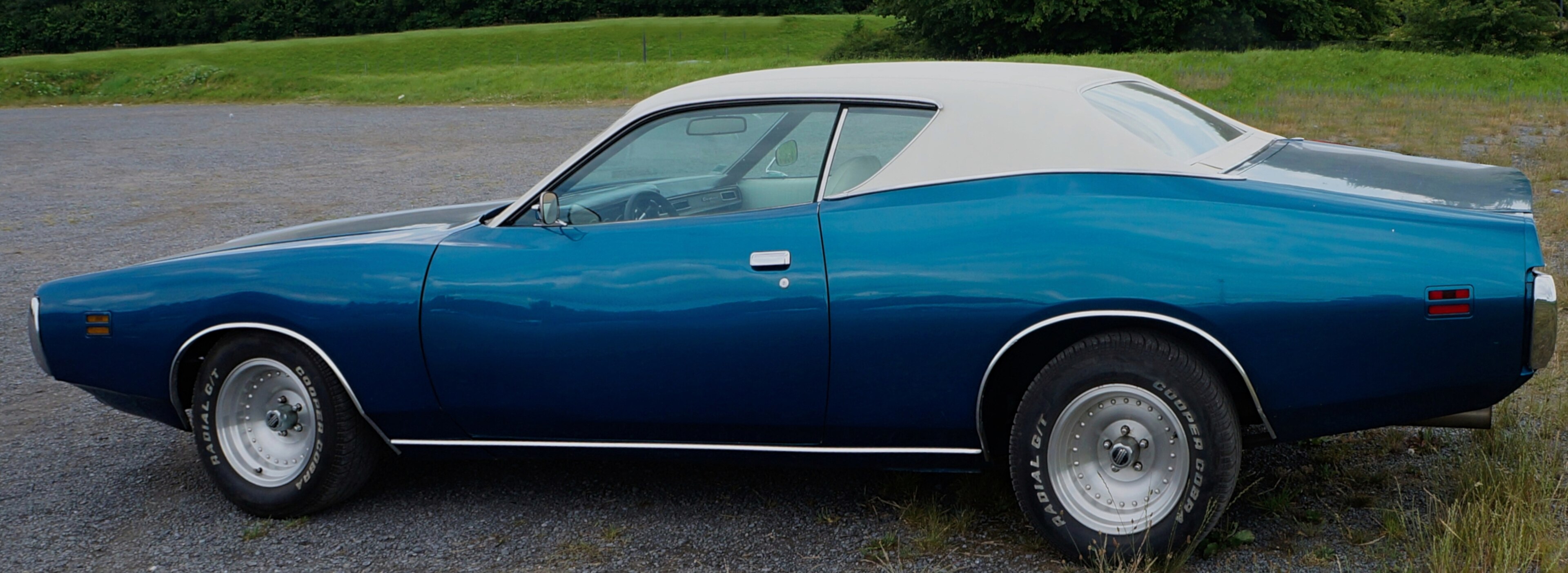
The 2022 Dodge Charger is documented here with 2 trims and full specifications. It belongs to the Main generation (2020–present). Performance figures reach up to 797 hp and a top speed of 327 km/h. The most efficient trim returns 13.1 L/100 km combined. Pricing for the 2022 model year is estimated at $113,900–$160,800 USD.
2022 Charger at a glance
- Max power
- 797 hp
- Top speed
- up to 327 km/h
- Best fuel economy
- 13.1 L/100km combined
- Lowest CO₂
- 308 g/km
- Length
- 5105 mm
- MSRP (US)
- $113,900–$160,800 USD est.
About the Main generation
Produced 2020–present. See all generations →
Recalls & safety notices (3)
Source: NHTSA (US National Highway Traffic Safety Administration). Applicable to US-market 2022 Dodge Charger vehicles.
-
22V866000 POWER TRAIN:MANUAL TRANSMISSION:COLUMN SHIFT ASSEMBLY 2022-11-23
Chrysler (FCA US, LLC) is recalling certain 2022 Dodge Charger and Durango vehicles. The shifter assembly was not properly heat-treated, which can prevent the shifter from properly engaging in the "drive" position.
Consequence: An improperly engaged shifter assembly may slip out of the "drive" position, resulting in a sudden loss of drive power, increasing the risk of a crash.
Remedy: Dealers will replace the shifter assembly, free of charge. Owner notification letters were mailed January 17, 2023. Owners may contact FCA US, LLC customer service at 1-800-853-1403. FCA US, LLC's number for this recall ZB3.
-
22V808000 TIRES:PRESSURE MONITORING AND REGULATING SYSTEMS 2022-10-27
Chrysler (FCA US LLC) is recalling certain 2022 Dodge Challenger, Dodge Charger, and Chrysler 300 vehicles. The Tire Pressure Monitoring System (TPMS) sensor battery may fail prematurely and cause the sensor to become inoperative. As such, these vehicles fail to comply with the requirements of Federal Motor Vehicle Safety Standard number 138, "Tire Pressure Monitoring Systems."
Consequence: Inoperative TPMS sensors will not alert the driver to low tire pressure. In addition, a TPMS warning light that is already illuminated from a failed battery sensor will mask an actual tire pressure failure issue. Either of these scenarios can result in tire failure and increase the risk of a crash.
Remedy: Dealers will inspect and replace the TPMS sensors, as necessary, free of charge. Owner notification letters were mailed December 10, 2022. Owners may contact FCA US, LLC at 1-800-853-1403. FCA US, LLC's number for this recall is ZB5. This recall is an expansion of previous recall number 22V-504.
-
22V504000 TIRES:PRESSURE MONITORING AND REGULATING SYSTEMS 2022-07-14
Chrysler (FCA US LLC) is recalling certain 2022 Dodge Challenger, Dodge Charger, and Chrysler 300 vehicles. The Tire Pressure Monitoring System (TPMS) sensor battery may fail prematurely and cause the sensor to become inoperative. As such, these vehicles fail to comply with the requirements of Federal Motor Vehicle Safety Standard number 138, "Tire Pressure Monitoring Systems."
Consequence: Inoperative TPMS sensors will not alert the driver to low tire pressure. In addition, a TPMS warning light that is already illuminated from a failed battery sensor will mask an actual tire pressure failure issue. Either of these scenarios can result in tire failure and increase the risk of a crash.
Remedy: Dealers will inspect and replace the TPMS sensors, as necessary, free of charge. Owner notification letters were mailed August 2, 2022. Owners may contact FCA US, LLC at 1-800-853-1403. FCA US, LLC's number for this recall is Z68.
Frequently asked questions
How much is the 2022 Dodge Charger?
The estimated price of the 2022 Dodge Charger is $113,900–$160,800 USD — an estimate based on its segment and specifications.
How powerful is the 2022 Dodge Charger?
The 2022 Dodge Charger produces up to 797 hp across its trims, with a top speed of 327 km/h.
Is the 2022 Dodge Charger fuel efficient?
The most efficient 2022 Charger trim returns about 13.1 L/100 km in combined driving.
Are there recalls on the 2022 Dodge Charger?
Yes — 3 recall campaigns from the U.S. NHTSA are listed for the 2022 Dodge Charger below, including the affected component and the official remedy.